



Change one thing dramatically
A cover that moves genre, tempo and key at once stops being a cover. Move one axis hard and leave the others alone.
Read more about LofiA cover is an arrangement decision. The same song becomes a different piece of music when you move it from 140 BPM to 70, from a major key to a minor one, or from a full band to one voice and a piano. This AI song cover generator is built for that kind of reinterpretation of your own material: demo an acoustic version before you book a session, hear how a track lands as lo-fi, or make a stripped version for a video without hiring a second band.
In short
Covers this generator makes well
A cover keeps the melody and the words; everything else is up for negotiation. Genre changes the instrument palette, tempo changes the emotional reading, and key changes what the vocal can do. The most effective covers change exactly one of those things dramatically and leave the others alone — a ballad played twice as fast is a different song, but a ballad played twice as fast in a different key with different instruments is usually just noise.
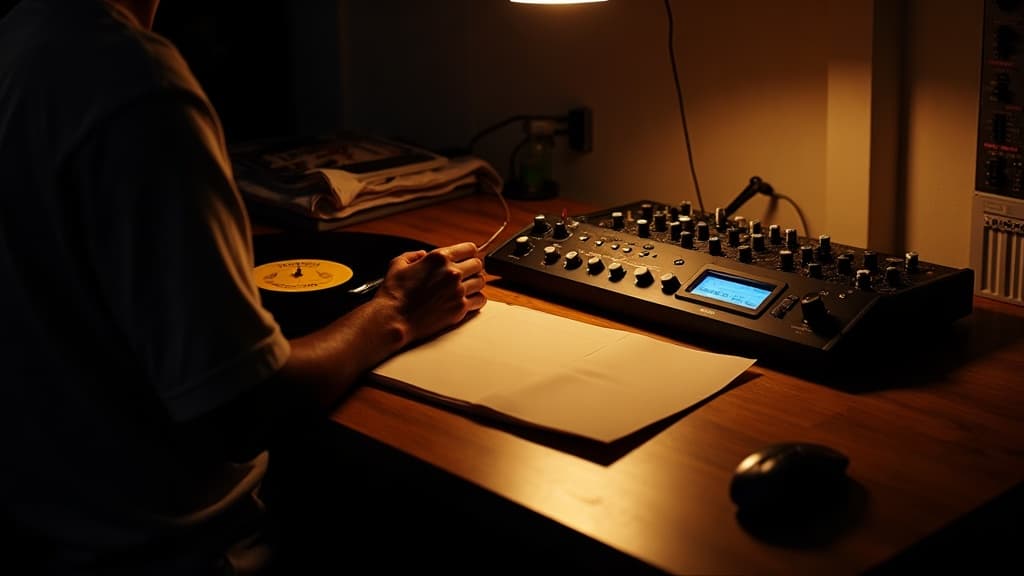
Pop to acoustic is the most forgiving: strip to guitar or piano, drop the tempo ten to fifteen percent, and the melody carries. Pop to lo-fi works by halving the drum energy and adding tape wobble. Anything to orchestral works if the original melody has long notes to hang strings on, and fails if the hook depends on a rhythmic vocal. Rock to synthwave and country to R&B both work more often than they should, because both pairs share a verse-chorus shape.
Moving a song between a low and a high voice changes more than pitch — it changes which parts of the melody sit in a singer’s strongest range. If a chorus was written for a belted high note, a lower register will lose the climax unless the arrangement compensates by thinning out underneath it. Ask for a specific register and a specific delivery, and generate the chorus first: if the chorus works, the verses almost always follow.
Stripped to guitar or piano
Lo-fi and slowed reworkings for background and study use
Orchestral and cinematic treatments of a pop or rock melody
And ballad versions of a dance track

Three ways in
Say what you want in a sentence — genre, tempo, mood, instruments — and hear it back arranged and performed.
Browse prompts
Who it's for
The craft
Most of what separates a usable track from a demo is decided before you press generate.
A cover that moves genre, tempo and key at once stops being a cover. Move one axis hard and leave the others alone.
Read more about Lofi
A chorus written for a belted high note loses its peak in a lower voice unless the arrangement thins out underneath it.
Read more about Pitch shifter
Everything else is arrangement. If the tune is no longer recognisable, you have written a new song rather than covered one.
Read more about Timbre| Treatment | What it changes |
|---|---|
| Acoustic | Removes production. Guitar or piano and voice, slightly slower. |
| Lo-fi | Halves the energy. Soft drums, tape wobble, filtered top end. |
| Orchestral | Replaces the band with strings, brass and timpani. Longer notes win. |
| Uptempo dance | Raises tempo and adds a four-on-the-floor pulse under the same melody. |
| Instrumental | Keeps the arrangement, removes the lead vocal entirely. |
Searched as an ai cover song generator, an ai song cover generator, a free ai cover song generator, a best ai music cover generator, an ai song cover generator free no sign up, and in the plural as ai music covers. The plural form usually signals a different intent — browsing what other people have made rather than making one — which is why the examples page is linked from here. What none of these names can deliver is a named artist’s voice; that is a likeness question, not a technical one, and the answer is no.
You give it the song — your lyric and melody direction — and a target treatment such as acoustic, lo-fi or orchestral. It re-records the song in that style, keeping the melody and words recognisable while replacing the arrangement, tempo and instrumentation.
Yes, the free tier lets you generate covers and download them without a watermark, which is enough to compare two or three arrangements of the same song before choosing one.
No. It does not clone or imitate the voice or likeness of a real artist. You can specify a register and a delivery style and get a distinct voice that is not modelled on a named person.
If the underlying song is not yours, you need the same mechanical licence a covers band would need, regardless of how the recording was made. If you wrote the song, the cover is yours to release under your plan’s commercial terms.
Pop to acoustic and pop to lo-fi are the most reliable, because both work by removing production rather than adding it. Orchestral versions work when the melody has long sustained notes and struggle when the hook is rhythmic.
Yes. Ask for an instrumental treatment and the arrangement stays while the lead vocal is left out. For an existing recording you own, the stem splitter can separate the vocal from the backing instead.
More ways to make music
Every surface writes to the same session — start anywhere.
An AI cover song generator re-records a song in a different style — a new genre, tempo, key or vocal register — while keeping the melody and words recognisable. MusicGenerate makes covers of songs you wrote or own: you supply the lyric and melody direction, choose the treatment, and get a fresh recording rather than an edit of someone else’s master.