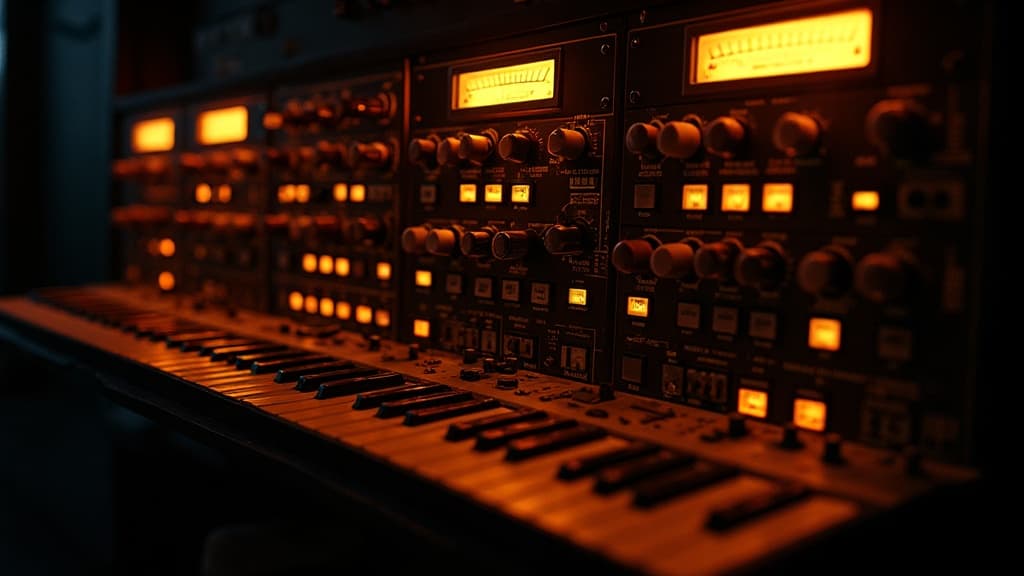
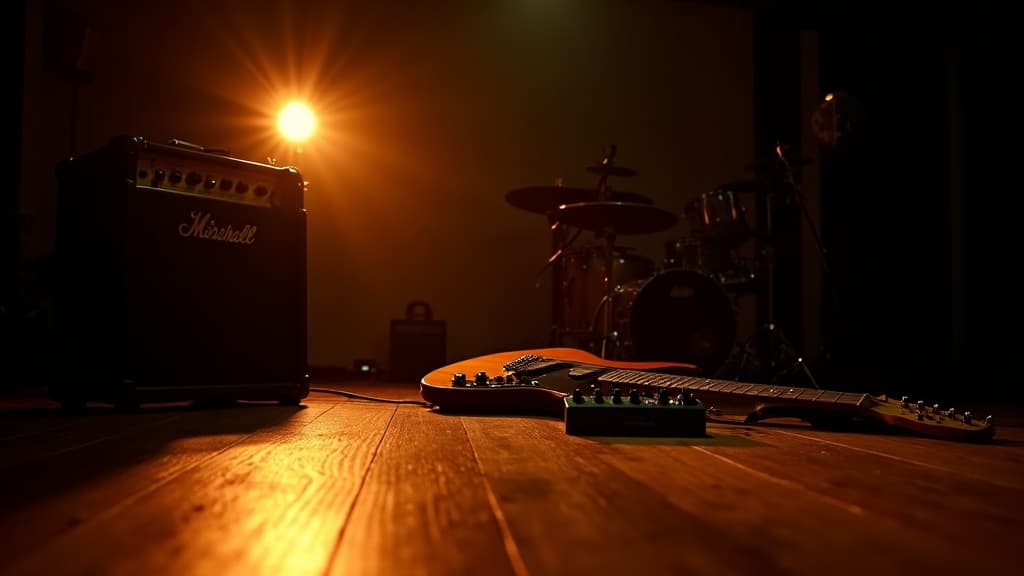
Lo-fi
Swung drums slightly behind the beat, warm keys, and deliberate artefacts — vinyl crackle, tape wobble, filtered highs.
Naming a genre in a prompt is shorthand for a tempo, a set of instruments and a production style. These pages spell out what that shorthand expands to, so you can specify the parts you care about and leave the rest.
Flip through the crate
 Lo-fiDusty drums, warm keys, deliberate imperfection.
Lo-fi hip hop, 78 BPM, F minor.
70–90 BPM
Dusty drums, warm keys, deliberate imperfection.
60–110 BPM
Orchestral scale, built to support a picture.
120–150 BPM
Four-on-the-floor, built around the drop.
85–150 BPM
Drums and bass first, everything else in service of the pocket.
100–130 BPM
Structure and hook above everything else.
110–160 BPM
Guitars, a real-sounding kit, and performance over precision.
None or 50–70 BPM
Texture and time, without rhythm or resolution.
90–140, or rubato BPM
Extended harmony, swing, and space to move.
Varies; often rubato BPM
Acoustic forces, notated form, dynamics that mean something.
90–130 BPM
Storytelling first, with the arrangement staying out of the way.
60–200 by subgenre BPM
Downtuned guitars, precision, and weight.
60–100, often half-time BPM
Smooth harmony, deep low end, vocals at the centre.
The types of music people argue about are usually distinguished by things you cannot put in a prompt — scene, decade, record label, who was in the room. The distinctions that matter when you are making a track are narrower and far more concrete: tempo range, which instruments carry the rhythm, how much of the frequency spectrum is left empty, and where the arrangement is expected to change.
Tempo does most of the separating. Boom bap and trap are both hip hop and sit forty to sixty BPM apart. House and drum and bass differ by fifty. Lo-fi and ambient overlap in tempo but not in timbre, because lo-fi is defined by deliberate degradation — tape wobble, rolled-off highs, vinyl noise — that ambient specifically avoids. Name the tempo and half the genre arrives with it.
The second separator is what the arrangement leaves out. Hip hop keeps the midrange clear because that is where a voice goes. Cinematic writing leaves dynamic headroom because dialogue will sit over it. EDM is built backwards from a drop, so everything before it is structurally subordinate. These are production rules rather than descriptions, and they are what each genre page below records.
Which genres the AI music tools themselves publish pages for is its own signal, and not the one you would guess — we counted it across the field in our study of what AI music sitemaps reveal. The genres a generator markets are not the genres it is best at.
There are thousands of genre labels, and a page for each would mostly be the same page with a different noun. These twelve are the ones where the production advice genuinely differs — where knowing the tempo range and the defining instruments changes what you write in a prompt. The list grows when a genre has something specific to say, not when a keyword exists.
Inside
Each one is a set of tempo, harmony and instrument decisions rather than a mood.
Swung drums slightly behind the beat, warm keys, and deliberate artefacts — vinyl crackle, tape wobble, filtered highs.
1 / 5
Why this exists
A genre label gets you close. The decisions inside it get you there.
Generate music for freeBoom bap, trap and drill differ mostly in the rhythm section and the tempo it implies — not in era or attitude.
The same chord progression at 75 and at 128 is heard as two different kinds of music.
Asking for a felt piano produces a more specific result than asking for something warm.
Perfectly quantised hip hop sounds like a demo; over-compressed ambient stops breathing. The mistakes are genre-specific.
Who it's for
You know what it should sound like — start from the rulebook.
A reference arrangement to study before building your own.
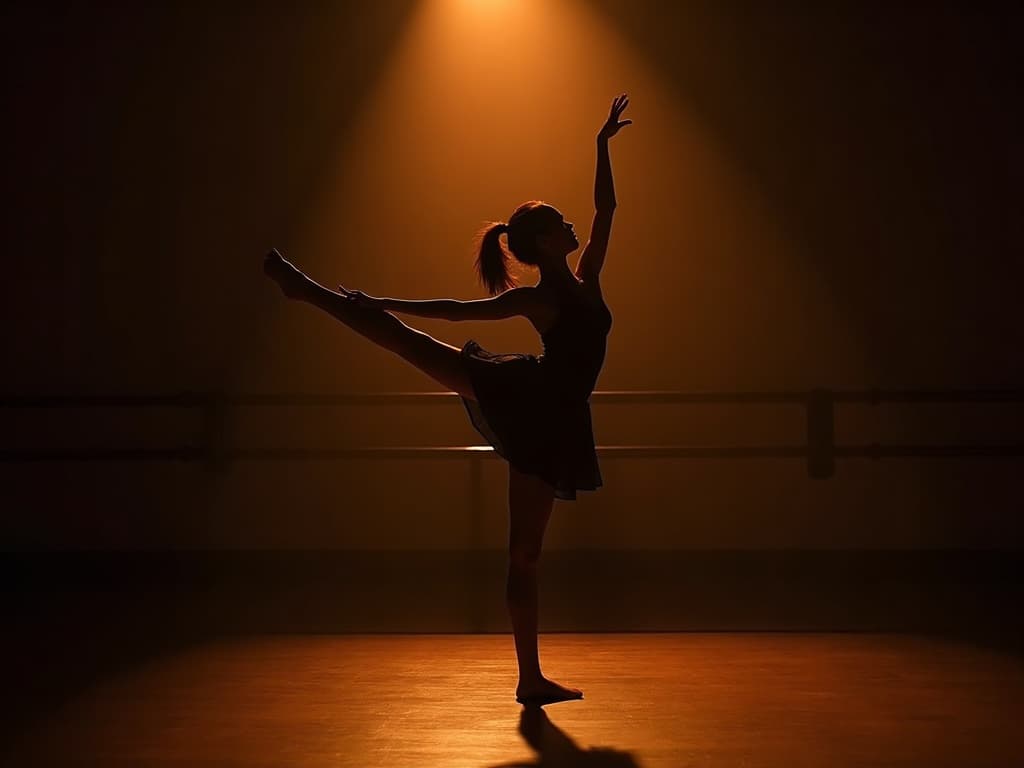
Genre is usually decided by the picture before the music starts.
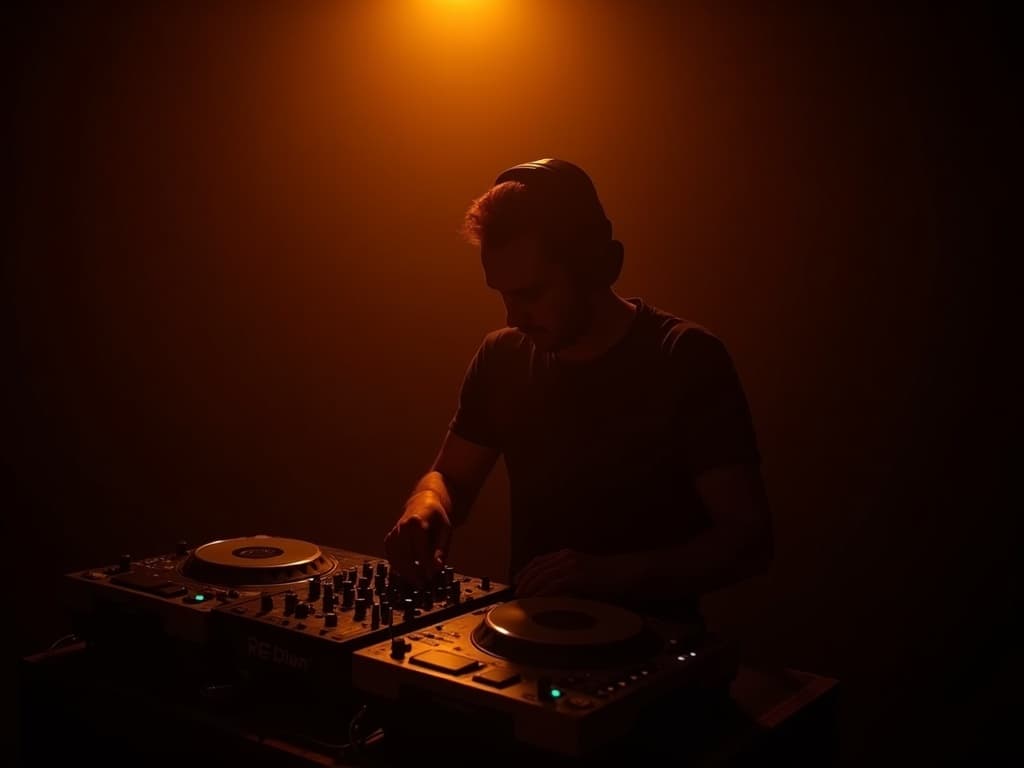
Reading twelve rulebooks side by side teaches faster than one at a time.
All twelve covered here — lo-fi, cinematic, EDM, hip-hop, pop, rock, ambient, jazz, classical, country, metal and R&B — plus the subgenres inside each. The limit is how precisely you describe the brief.
Name the tempo, the instruments and the production era rather than the genre alone. "Lo-fi" produces something generic; "72 BPM, dusty swung drums, Rhodes, vinyl crackle, highs rolled off" produces lo-fi.
Lo-fi, ambient and cinematic underscore, because all three tolerate imperfection and none depends on a memorable hook. Pop and metal are hardest for the opposite reasons.
Lo-fi 70 to 90, hip-hop 85 to 95 or 130 to 150 for trap, house 120 to 128, drum and bass near 174, and ballads 60 to 80. Each genre page carries its own range.
Yes, and it often works better than either alone. Name both explicitly along with which one owns the rhythm section — that decision is what keeps a hybrid from sounding confused.
Almost always because the prompt named a mood rather than the mechanics. Genres are tempo, instrument and production decisions, and stating those three is what closes the gap.