Thrash
Heavy metal keeps standard tuning and mid-tempo riffs with a sung vocal — the melody survives the distortion.
Downtuned guitars, precision, and weight.
In short
Metal is a precision genre. Where rock rewards loose playing, metal depends on the guitars and the kick locking together exactly — that tightness is what produces weight. Tuning is the first specification: standard, drop D, or lower, each shifting the whole character. Riffs, not chord progressions, carry the song, and they are usually rhythmic ideas as much as melodic ones. The kit is the other half: double kick, tight snare, and cymbals that cut through a wall of guitar. Subgenres diverge sharply — the distance between doom at 60 BPM and thrash at 200 is larger than in most genres, and naming the subgenre communicates far more than naming the instruments. Vocals, where present, span clean singing to growled, and that is worth stating explicitly rather than leaving to chance.
Precision is the genre. Guitars and kick must lock exactly — that tightness is what produces weight — so ask for tight, quantised playing here even though the same instruction would ruin rock. Tuning is the first specification: standard, drop D, or lower changes the entire character. Subgenres diverge sharply, and naming one communicates far more than naming instruments, since doom at 60 BPM and thrash at 200 share almost nothing.
The specific ways a prompt in this genre produces something generic.
Naming “metal” generally across subgenres that share little
Which sets the whole character
Which reads as sloppy rather than human
Leaving vocal style unstated between clean singing and growled
Inside the genre
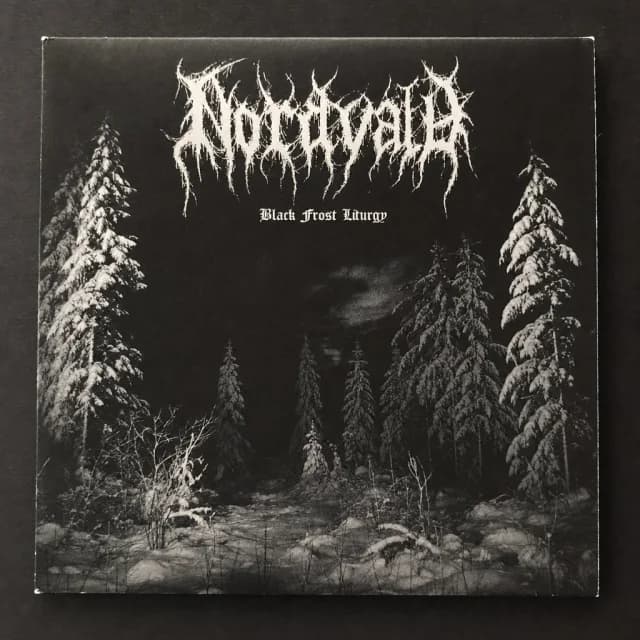
Subgenres are mostly rhythm-section decisions, not eras.
Heavy metal keeps standard tuning and mid-tempo riffs with a sung vocal — the melody survives the distortion.
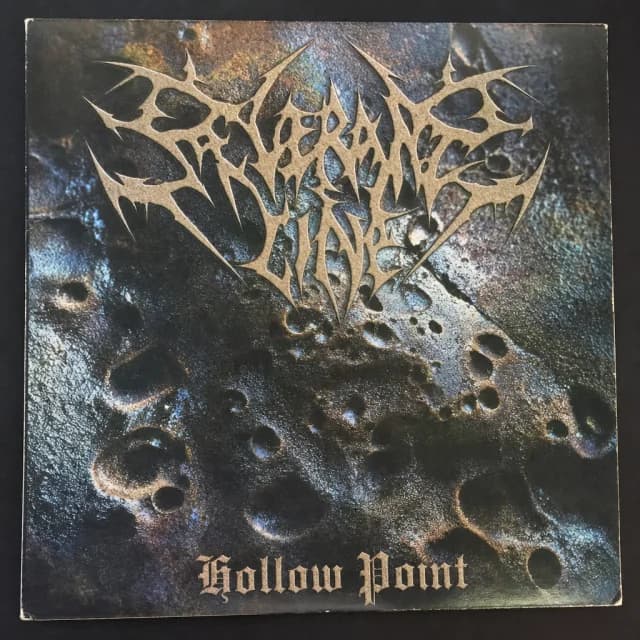
Death metal drops the tuning, adds blast beats and replaces singing with growls, so the riff carries all the melodic information.

Djent builds on syncopated palm-muted rhythms in extended range, where the interest is rhythmic displacement rather than speed.
Who uses it
Combat and boss music that needs aggression without a lyric competing with dialogue.
High-energy beds for action, sport and gym content where polite rock reads as weak.
Backing tracks at a stated tuning and tempo to practise riffs and solos against.
A reference for how dense a metal mix gets before the guitars stop being audible.
Djent instrumental, 140 BPM, drop C. Palm-muted downtuned guitar riff locked to double kick, tight snare, ambient clean lead over the chorus section. Instrumental, precise.
Related
More genres
Twelve genres, each with its own tempo map, instrument bench and a prompt that already works.
From the library
Metal is searched as a metal music generator, a riff generator, an ai metal maker, a djent generator and a heavy music maker. All of them fail identically if you leave out the tuning and the guitar layering. Drop-tuned, double-tracked rhythm guitars panned hard is what makes a metal mix sound wide — one guitar sounds like a demo regardless of which term brought you here.
Doom sits below 70 BPM, heavy metal 140 to 160, and death metal above 180 with blast beats. Tempo separates the subgenres more cleanly than tone does.
Specify the tuning, the guitar layering and the vocal type. 'Drop-D, double-tracked rhythm guitars panned hard, sung rather than growled' is a complete brief.
Almost always because there is one rhythm guitar instead of two. Double-tracking and hard panning is why a metal mix sounds wide.
Syncopated palm-muted riffing on extended-range guitars, usually in odd meter. It is rhythmic displacement rather than speed, so state the time signature.
Production as much as playing. Death metal is tight and modern with growled vocals; black metal is deliberately raw and lo-fi with tremolo picking and rasped vocals.
Sung metal vocals work well. Growls and screams are less reliable, and naming the exact style — rasped, growled, sung — gets closer than naming the subgenre.