AI Workout Music Generator
Music built around the tempo you are actually training at.
In short
What workouts music needs
- Typical length
- 20–60 min
- Tempo
- 100–150 BPM by activity
- Vocals
- Optional, sparse
- Dynamics
- Flat and driving
- Structure
- No breakdowns
Scoring for workouts
The single most useful property of workout music is a tempo that matches your movement, because people unconsciously synchronise cadence to beat. Running at 160 steps per minute to music at 128 BPM means either fighting the music or fighting your pace, and the standard fix is to pick tracks at half or exactly your target cadence. Steady cardio sits comfortably at 120 to 140 BPM, HIIT and sprint intervals at 130 to 150, and lifting works better slower — 100 to 120 — because the tempo governs rest as much as effort. What ruins a workout track is the thing that makes a club track good: the breakdown. A drop is fun on a dance floor and demoralising thirty seconds into a hill sprint, so generate flat, driving energy with no section where the drums leave. Length should match the interval structure of the session rather than a radio edit, and instrumental works better than vocals for most people because lyrics compete with counting reps.
What usually goes wrong with workouts music
The specific ways music for this brief fails, and what to ask for instead.
Which kill momentum mid-interval
Tempo that fights your cadence instead of matching or halving it
Long ambient intros before the energy arrives
Dense lyrics that compete with counting reps or pacing breath


Who needs it
Who generates workouts music


A workouts music prompt to start from
Driving workout track, 140 BPM, E minor. Four-on-the-floor kick, sidechained bass, bright synth stabs, no breakdown, constant energy, instrumental, 30 minutes.
Change the tempo first — it moves the result further than any other word. More prompts to copy.
Related
Royalty-free music for other platforms and uses
More briefs
More royalty-free AI music by use case
Every brief has its own tempo, length and failure mode.




Royalty-free workouts music: what people search for
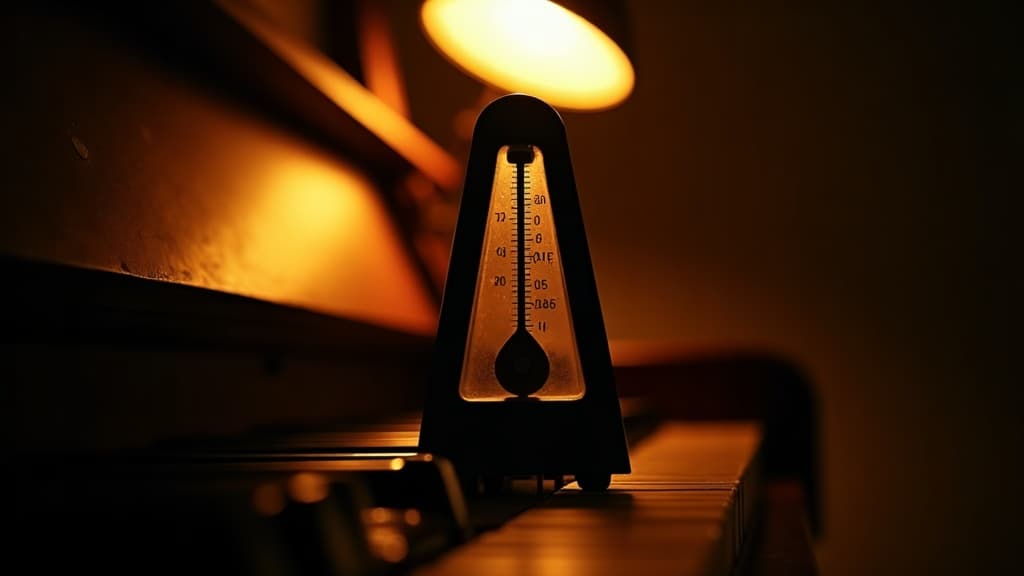
Searched as workout music, best music for workout, best workout music, a workout music playlist, gym music, running music and music to work out to. The playlist ordering is the tell: people want a continuous session rather than a track, which is why tempo matters more here than genre — 120–140 BPM for steady cardio, 140–160 for intervals, and a tempo that does not drift mid-set.
Music for workouts — questions people ask
What BPM is best for workout music?
120 to 140 for steady cardio, 130 to 150 for high-intensity intervals, and 100 to 120 for lifting, where tempo governs rest as much as effort.
Why does workout music tempo matter?
People unconsciously synchronise cadence to beat. Running at 160 steps per minute to music at 128 BPM means fighting either the music or your pace, so match the tempo or use exactly half of it.
Should workout music have breakdowns?
No. A drop is fun on a dance floor and demoralising thirty seconds into a hill sprint. Flat, driving energy with no section where the drums leave is what the brief needs.
Is instrumental or vocal music better for workouts?
Instrumental works better for most people, because lyrics compete with counting reps or pacing breath. Sparse vocals are fine; dense ones are not.
How long should a workout playlist be?
Match the session rather than a radio edit — 20 to 60 minutes generated as one piece, structured around your interval pattern.
Does music actually improve workout performance?
Tempo-matched music reliably helps with perceived exertion and pacing, which is why cadence matching matters more than genre. The effect is largest for steady-state cardio.
AI Workout Music Generator
Music built around the tempo you are actually training at.