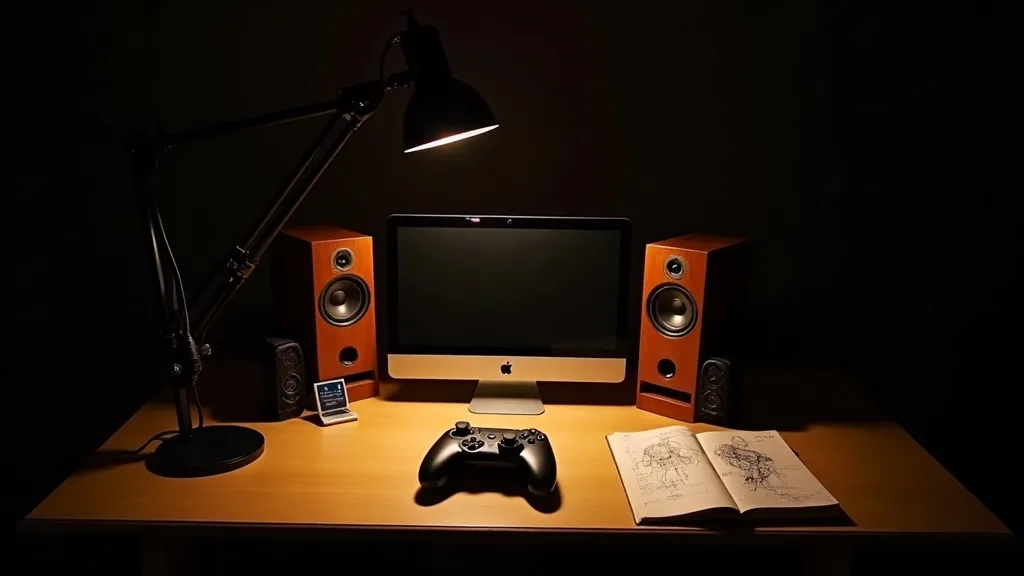
AI Music for Video Games
Loops that survive being heard for six hours straight.
In short
What video games music needs
- Loop length
- 60–180 s
- Loop join
- Seamless, matched tail
- Vocals
- Rare
- Layers
- Bed, rhythm, lead
- Repetition
- Must survive hours
Scoring for video games
Game music is written against a constraint linear media never faces: you do not know how long the player will listen. An area theme might play for ninety seconds or for six hours, which makes repetition tolerance the primary design criterion. In practice that means less melodic density than a film cue would carry, more textural interest, and variation that unfolds slowly enough to reward long listening without demanding attention. The loop itself has to be clean — the end must flow into the beginning with no gap, no reverb tail cut off, and no dynamic mismatch, because the seam is the thing players notice and cannot unhear. Layering is the other standard technique: generate the same piece as stems — a base bed, a rhythm layer, a lead layer — so intensity can rise when combat starts and fall when it ends without a jarring track change. Menu and boss music are the exceptions where a strong, memorable hook is exactly right, because both are heard in short, deliberate bursts.
What usually goes wrong with video games music
The specific ways music for this brief fails, and what to ask for instead.
Players hear the seam every time
Melodic density high enough to become irritating on the fortieth pass
One fixed arrangement instead of layers that can rise and fall with gameplay
Which flattens the contrast


Who needs it
Who generates video games music

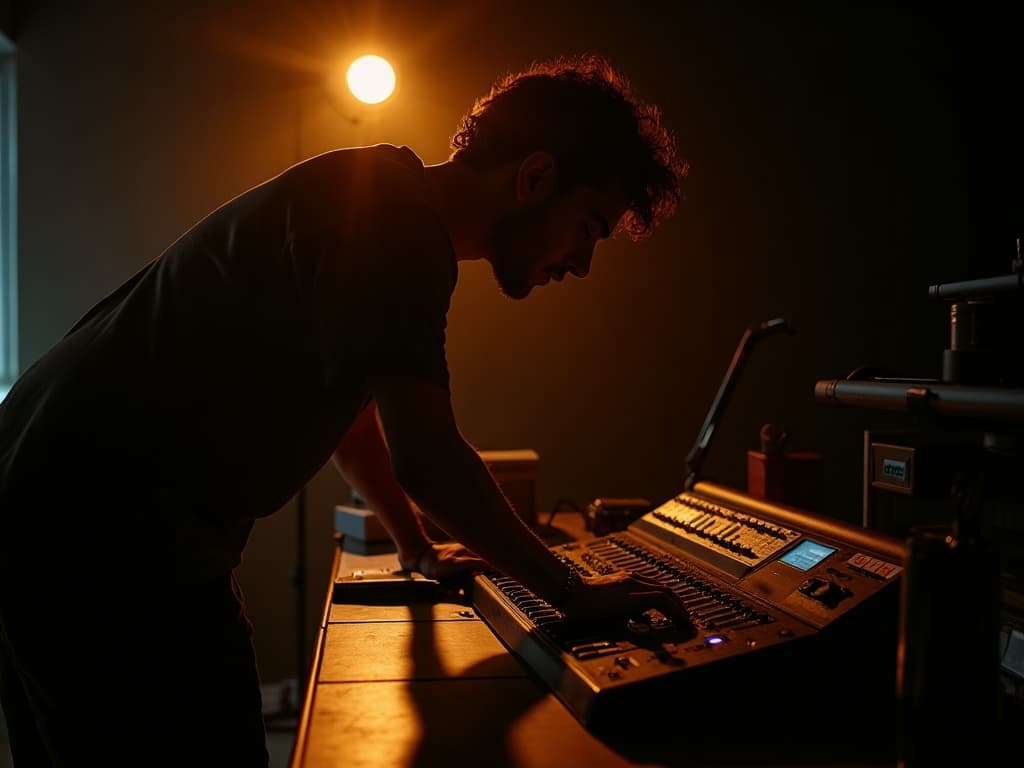
A video games music prompt to start from
Seamless exploration loop, 90 BPM, E minor. Sparse harp and low strings, soft percussion, 2 minutes looping cleanly, plus separate rhythm and lead layers for combat.
Change the tempo first — it moves the result further than any other word. More prompts to copy.
Related
Royalty-free music for other platforms and uses
More briefs
More royalty-free AI music by use case
Every brief has its own tempo, length and failure mode.



Royalty-free video games music: what people search for
Searched as video game music, game background music, music for video games, best video game music and, in its inverted ordering, music video game — that last one splits between people scoring a game and people looking for rhythm games, which is worth knowing before you chase it. Game audio has one requirement the others do not: it must loop for hours without the seam becoming audible.
Music for video games — questions people ask
How long should a game music loop be?
Sixty to a hundred and eighty seconds, with a seam clean enough that players never hear it. A cut reverb tail or a level mismatch at the loop point is the thing they notice and cannot unhear.
What makes game music different from film music?
You do not know how long the player will listen. An area theme might play for ninety seconds or six hours, which makes repetition tolerance the primary design criterion rather than melodic density.
What are layered stems in game audio?
The same piece generated as separate parts — a base bed, a rhythm layer, a lead layer — so intensity can rise when combat starts and fall when it ends without a jarring track change.
Should boss music be as memorable as area music?
The opposite. Area music should be unobtrusive and boss music memorable; making both memorable flattens the contrast that gives a boss fight its impact.
Can I use AI music in a commercial game?
Yes, under your plan's commercial terms. Confirm them before shipping, and keep the licence with the project files alongside your other asset paperwork.
What else does a game soundtrack need besides loops?
Short stingers for wins, deaths and transitions. They are easy to forget at the planning stage and immediately obvious when missing.
AI Music for Video Games
Loops that survive being heard for six hours straight.