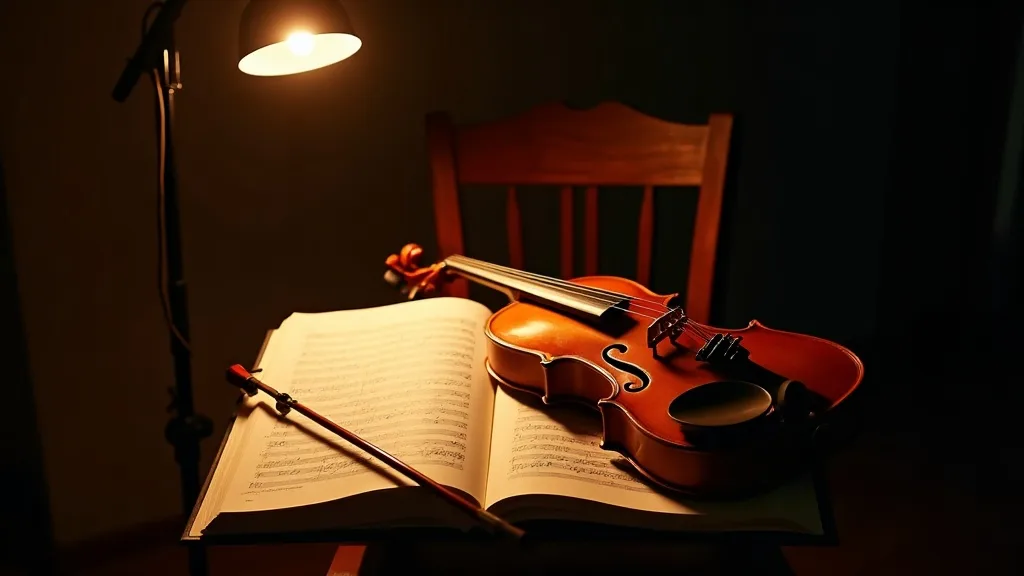
AI Meditation Music Generator
Sustained, pulse-free music that holds a session together.
In short
What meditation music needs
- Typical length
- 10–60 min
- Tempo
- None or under 60 BPM
- Vocals
- None or wordless
- Dynamics
- Very flat
- Ending
- Long fade
Scoring for meditation
A pulse is an instruction. Anything with a steady beat invites the body to synchronise with it, which is the opposite of what a meditation session is for, so the most effective meditation music has no percussion at all and often no discernible tempo. What remains is texture and harmony: a sustained drone, slow-moving pads, an occasional singing bowl or bell to mark time without imposing it. The harmonic language should be simple and stable — one mode, few chord changes, nothing that sets up an expectation of resolution. Space is part of the composition rather than a gap in it. Length is the practical detail people get wrong most often. Music that ends before the session does is jarring in a way that silence never is, so generate to the full duration you intend to sit, plus a long fade. If the session has phases, a very gradual shift in register or density can mark them, but it should be slow enough that noticing it takes effort.
What usually goes wrong with meditation music
The specific ways music for this brief fails, and what to ask for instead.
Which invites the body to synchronise rather than settle
Melodies memorable enough to anticipate
Music that ends before the session does
Bright bells or chimes loud enough to startle rather than mark time

Who needs it
Who generates meditation music
A meditation music prompt to start from
Meditation drone, no tempo, C Lydian. Sustained warm pad, distant singing bowl every 90 seconds, no percussion, no melody, very slow evolution, 20 minutes with a long fade.
Change the tempo first — it moves the result further than any other word. More prompts to copy.
Related
Royalty-free music for other platforms and uses
More briefs
More royalty-free AI music by use case
Every brief has its own tempo, length and failure mode.




Royalty-free meditation music: what people search for
Searched as meditation music, meditation music for sleep, sleep meditation music, guided meditation music, healing music and calm meditation music. The two sleep orderings dominate the cluster and describe the same session: a long, slow, unresolved piece intended to be started and then not attended to.
Music for meditation — questions people ask
What music is best for meditation?
Music with no rhythmic pulse to follow and no melody to anticipate — sustained drones, slow harmonic movement and long fades, generated to the exact length of the session.
Why should meditation music have no beat?
A pulse is an instruction. Anything with a steady beat invites the body to synchronise with it, which is the opposite of what the session is for.
How long should meditation music be?
As long as the session, plus a long fade. Music that ends before you do is jarring in a way silence never is.
Are singing bowls necessary?
No, but an occasional bell or bowl is useful for marking time without imposing it. Keep it quiet enough to notice rather than to startle.
What key or mode suits meditation music?
One stable mode with few chord changes and nothing that sets up an expectation of resolution. Lydian and Mixolydian both work because neither pulls hard towards a resolution.
Can I use generated meditation music in a paid class?
Yes, under the commercial terms of your plan, which are shown in the app before you generate. That is a common use and one of the clearer cases for generating rather than licensing.
AI Meditation Music Generator
Sustained, pulse-free music that holds a session together.