Dark ambient
Dark ambient drops the register and removes consonance — the interest is in texture and unease rather than in harmony.
Texture and time, without rhythm or resolution.
In short
Ambient is the genre most often prompted badly, because the instinct is to describe what it contains when the defining property is what it omits. There is no beat, no arrival, and often no melody that resolves. Asking for "calm music" gets you slow music with drums; asking for ambient means saying no percussion, no rhythm, no build. What remains is texture and time: long attacks, slow filter movement, harmonics that drift in and out. Interest comes from change too gradual to notice moment to moment. That makes it ideal underneath speech, in games, and for focus, where anything that resolves pulls attention. Generate longer than you need — ambient reveals its shape over minutes, and a thirty-second excerpt sounds like nothing much happening because, correctly, nothing much is.
Ambient is defined by omissions, so the prompt has to be written as prohibitions: no percussion, no beat, no build, no resolution. Asking for “calm music” returns slow music with drums. What remains is texture and time — long attacks, slow filter movement, harmonics drifting. Generate longer than you think you need; the genre reveals its shape over minutes and a thirty-second excerpt correctly sounds like nothing is happening.
The specific ways a prompt in this genre produces something generic.
Describing what it contains rather than what it omits
Which returns slow music with a beat
Generating too short to hear the evolution
When unresolved texture is the point
Inside the genre
Subgenres are mostly rhythm-section decisions, not eras.
Dark ambient drops the register and removes consonance — the interest is in texture and unease rather than in harmony.
Drone strips almost everything: one sustained tone, slow spectral movement, and changes measured in minutes rather than bars.
Space ambient keeps the drone but adds wide reverb and slow filter sweeps, which reads as distance rather than as a room.
Who uses it
Long pieces with no melodic hook and no dynamic change loud enough to wake anyone.
Sound with no arrival points, so attention never gets pulled back to the audio.
Beds that can run for hours in one area without a loop point anyone can hear.
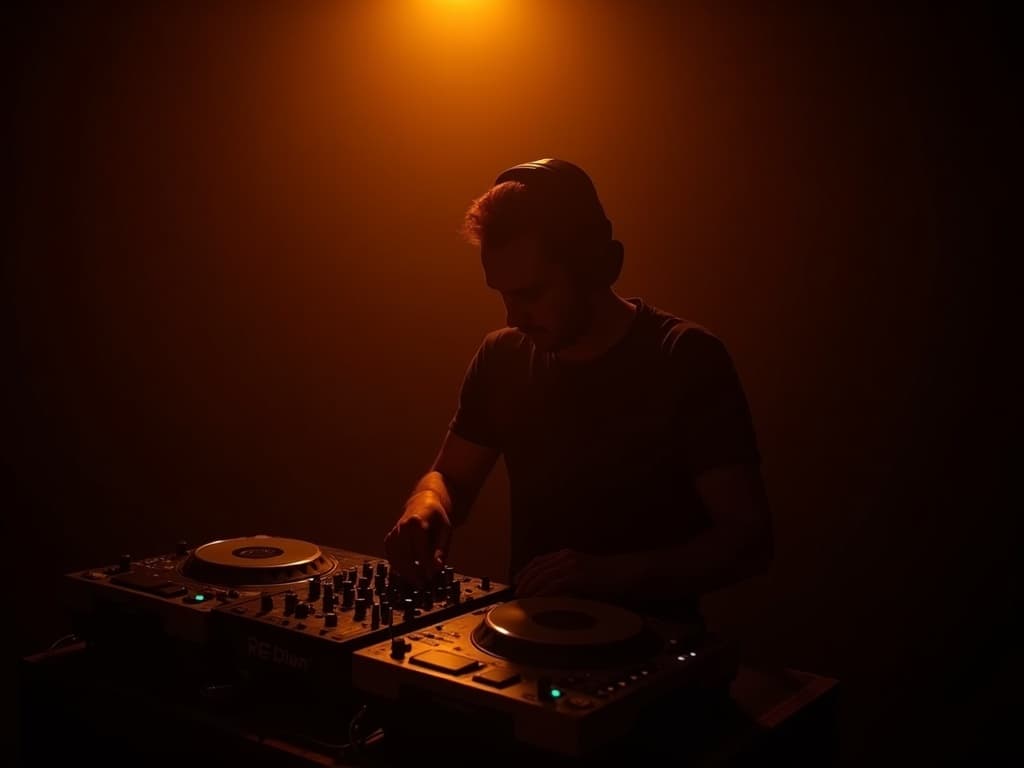
Texture under dialogue that carries tension without stating an emotion.
Ambient, no percussion and no rhythm, A minor. Long evolving pads with slow attack, distant piano notes every 20 seconds, gentle filtering. Unresolved, instrumental, seamless.
Related
More genres
Twelve genres, each with its own tempo map, instrument bench and a prompt that already works.
From the library
Long Room
Hallow Field
Tide, Held
Still Harbour
North Window
Alder Grey
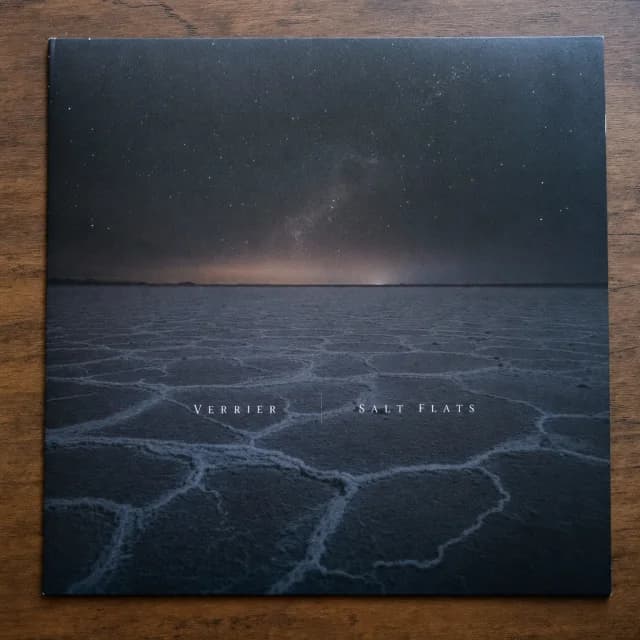
Salt Flats
Verrier
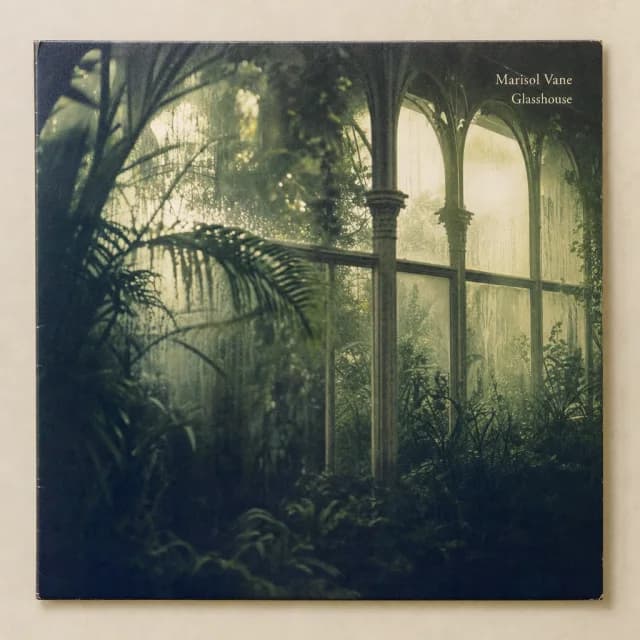
Glasshouse
Marisol Vane
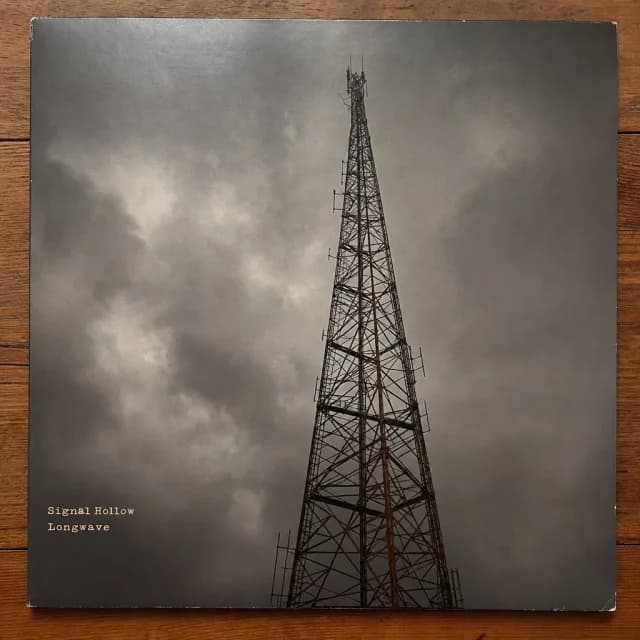
Longwave
Signal Hollow
Ambient is searched as an ambient music generator, a drone generator, a soundscape maker, a relaxing music maker and an ai sleep music generator. They want the same thing: sustained tone, no pulse, no melody and no arrival points. The instruction that matters across every one of those phrasings is what to leave out — say no tempo, no percussion and no melody as three separate requests.
Often none at all. Much of the genre has no rhythmic pulse, and where there is one it sits under 90 BPM. 'No tempo' is a valid and useful instruction.
Ask for sustained tones, slow spectral movement and no percussion, and say explicitly that there should be no melody. Given either back, a model will invent a pulse.
Drone strips almost everything: one sustained tone with changes measured in minutes. Ambient allows more harmonic movement and texture on top.
Because models default to rhythm unless told otherwise. 'No tempo, no percussion, no melody' as three separate instructions is more reliable than one word like 'ambient'.
Long. Twenty minutes to an hour as one continuous piece, because a loop point is the one thing a listener will notice in music designed not to be noticed.
Sleep, deep work, meditation, installations and film texture — anywhere the music has to hold a space without asking for attention.
Texture and time, without rhythm or resolution.