Baroque
Baroque is contrapuntal — independent lines moving against each other, with harpsichord and a small string ensemble rather than a full orchestra.
Acoustic forces, notated form, dynamics that mean something.
In short
Classical is the genre most damaged by modern production defaults. Compression toward a constant level destroys the thing that makes it work: the difference between pianissimo and fortissimo is structural, not decorative. Ask for wide dynamics explicitly. Forces matter too — solo piano, string quartet, chamber ensemble and full orchestra are different sound worlds, and naming the ensemble size gets closer than naming the period. Period does change harmonic language meaningfully: baroque is contrapuntal and ornamented, classical-era is balanced and phrase-symmetrical, romantic is chromatic and rubato-heavy, impressionist favours colour over direction. Recording character is part of the genre; asking for a real acoustic space rather than a dry close mic makes generated results markedly more convincing.
Modern production defaults damage classical more than any other genre: compressing toward a constant level destroys the dynamic contrast that carries the form. Ask for wide dynamics explicitly. Name the forces — solo piano, string quartet, chamber ensemble, full orchestra are different sound worlds — and the period, which changes harmonic language meaningfully. Asking for a real acoustic space rather than a close mic makes generated results markedly more convincing.
The specific ways a prompt in this genre produces something generic.
Compressed render
Naming the period but not the ensemble size
Accepting a dry close mic in music that needs a hall
Which averages four centuries
Inside the genre
Subgenres are mostly rhythm-section decisions, not eras.
Baroque is contrapuntal — independent lines moving against each other, with harpsichord and a small string ensemble rather than a full orchestra.
Romantic expands the orchestra and the dynamic range, and lets rubato pull the tempo around rather than holding a grid.
Minimalism repeats short cells with slow phase changes, which is why it works as underscore where romantic writing would overwhelm.
Who uses it
Orchestral writing with real dynamic range, which compressed pop production cannot supply.
Instrumental material with structure but no lyric to compete with reading.
Period-appropriate scoring for historical settings, layered so intensity can rise.
Processional and ceremony pieces at a specified length, without licensing a recording.
Solo piano nocturne, romantic era, E minor, rubato. Wide dynamics from near-silence to full, sustain pedal held long, recorded in a real hall. Instrumental.
Related
More genres
Twelve genres, each with its own tempo map, instrument bench and a prompt that already works.
From the library
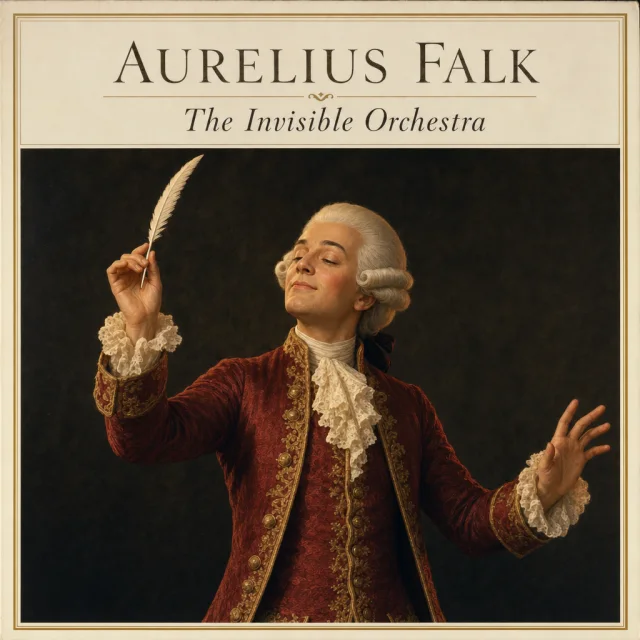
The Invisible Orchestra
Aurelius Falk
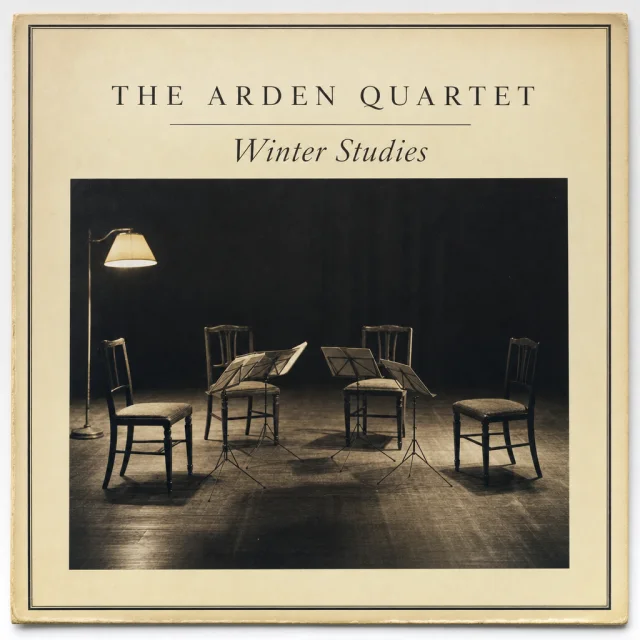
Winter Studies
The Arden Quartet
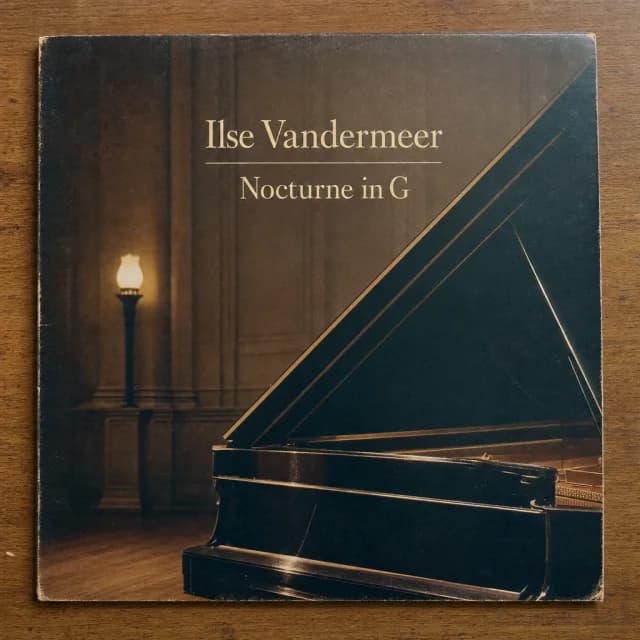
Nocturne in G
Ilse Vandermeer
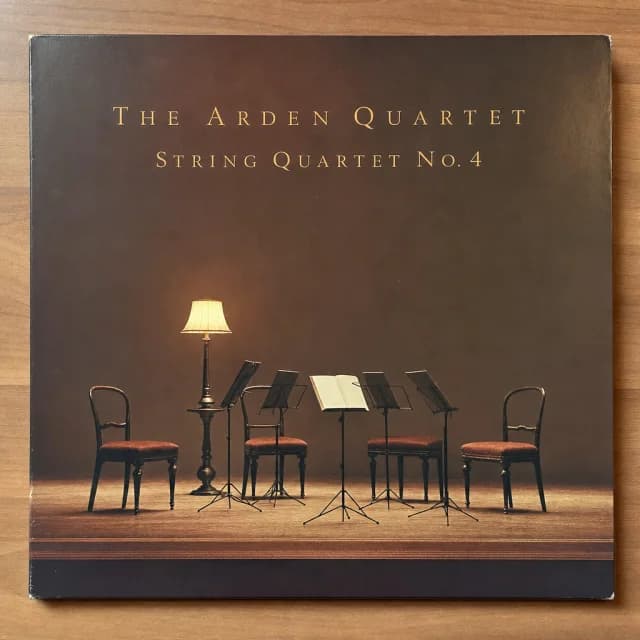
String Quartet No. 4
The Arden Quartet
Suite for Harpsichord
Anselm Ruiter
Winter Largo
Konstantin Reyer
Classical is searched as a classical music generator, an orchestral music maker, an ai composer, a symphony generator and a piano music generator. The broad terms produce pads; the specific ones produce writing. Name the ensemble — string quartet, chamber orchestra, solo piano — and say what to exclude, and every one of those searches resolves to something with actual counterpoint in it.
It can produce convincing orchestral and chamber writing, particularly when you name the ensemble and the form. It is weakest at long-range development, which is what classical structure actually depends on.
Name the sections and exclude what you do not want. 'Full strings with divisi violins, woodwind answering, no percussion, no brass' is what keeps an orchestral prompt from becoming trailer music.
Purpose. Classical writing develops its own material over time; cinematic writing serves a picture and is built around specific moments. They share instruments and almost nothing else structurally.
Two violins, a viola and a cello. Asking for genuinely independent lines rather than 'strings' is what produces writing instead of a sustained pad.
Italian terms rather than numbers — largo around 40 to 60 BPM, andante 76 to 108, allegro 120 to 168. Giving both the term and a number gets the most reliable result.
The output is yours to use under your plan's commercial terms. Note separately that performances of public-domain works still carry rights in the recording itself.
Acoustic forces, notated form, dynamics that mean something.