Indie rock
Classic rock leans on real amp breakup and a drummer who pushes slightly ahead of the beat, which is what gives it urgency.
Guitars, a real-sounding kit, and performance over precision.
In short
Rock lives or dies on whether it sounds performed. Perfectly quantised drums and edited guitars produce something technically correct that nobody believes, which is why asking for a live-sounding kit and slight timing variation matters more here than in most genres. Arrangement is usually guitar-led: a riff establishes identity, the rhythm section supports it, and the chorus opens up through wider guitars and a bigger drum sound rather than through more parts. Subgenre changes the guitar tone more than anything else — jangly and clean for indie, thick and saturated for alternative, tight and fast for punk, downtuned for metal-adjacent styles. Name the guitar tone and the drum character and you have specified most of what makes rock sound like rock.
Rock lives or dies on sounding performed. Ask for a live-sounding kit and slight timing variation, because perfectly quantised drums and edited guitars produce something technically correct that nobody believes. Guitar tone is the main subgenre lever — jangly and clean for indie, thick and saturated for alternative, tight and fast for punk. Choruses open through wider guitars and a bigger drum sound, not through more parts.
The specific ways a prompt in this genre produces something generic.
Accepting programmed-sounding drums in a genre defined by a band
Naming the subgenre without naming the guitar tone
Adding parts for the chorus instead of widening the ones there
Which removes the human push and pull
Inside the genre
Subgenres are mostly rhythm-section decisions, not eras.
Classic rock leans on real amp breakup and a drummer who pushes slightly ahead of the beat, which is what gives it urgency.
Indie rock trades gain for jangle — cleaner guitars, more room in the drums, and vocals sitting in the mix rather than on top of it.
Hard rock thickens everything: double-tracked rhythm guitars panned wide, and a snare with enough body to survive them.
Who uses it

Energy beds for action and montage where an electronic track would read as the wrong decade.
Combat and chase music with live-band attack that synths cannot fake.
A full-band arrangement behind a demo you would otherwise have to book players for.
Backing tracks in a stated key and tempo to practise or solo over.
Indie rock, 132 BPM, E major. Jangly clean guitar riff, driving bass, live-sounding kit with slight timing variation, wider saturated guitars in the chorus. Instrumental.
More genres
Twelve genres, each with its own tempo map, instrument bench and a prompt that already works.
From the library
Cheap Thunder
The Oxblood Riot
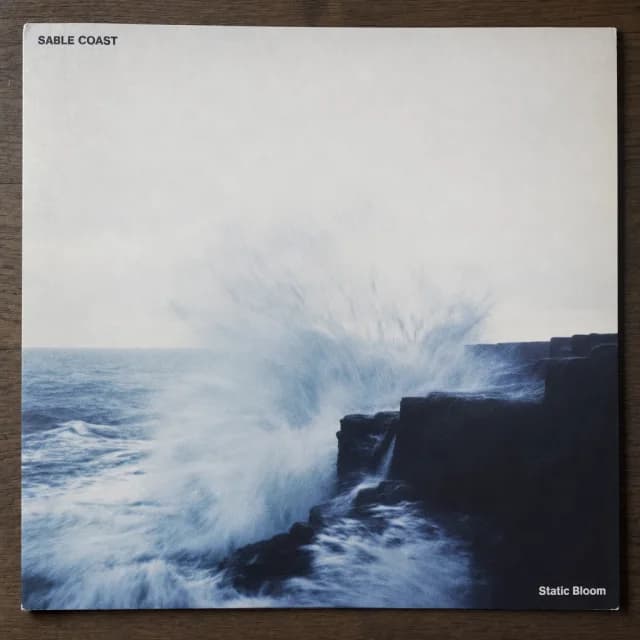
Static Bloom
Sable Coast
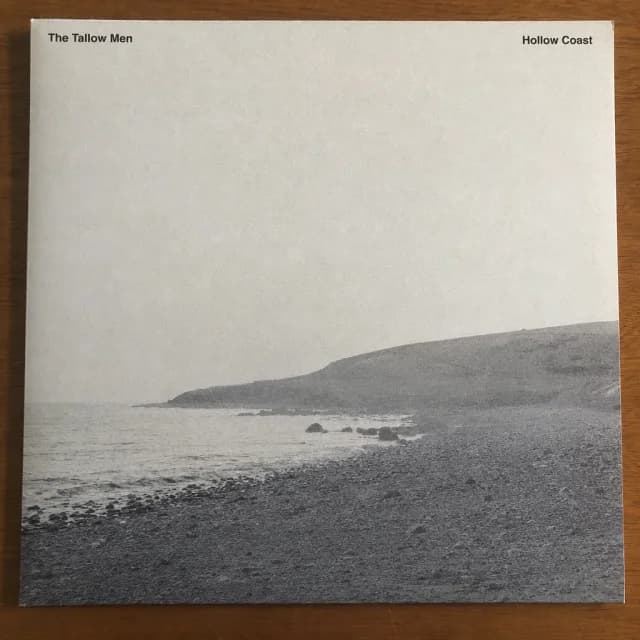
Hollow Coast
The Tallow Men
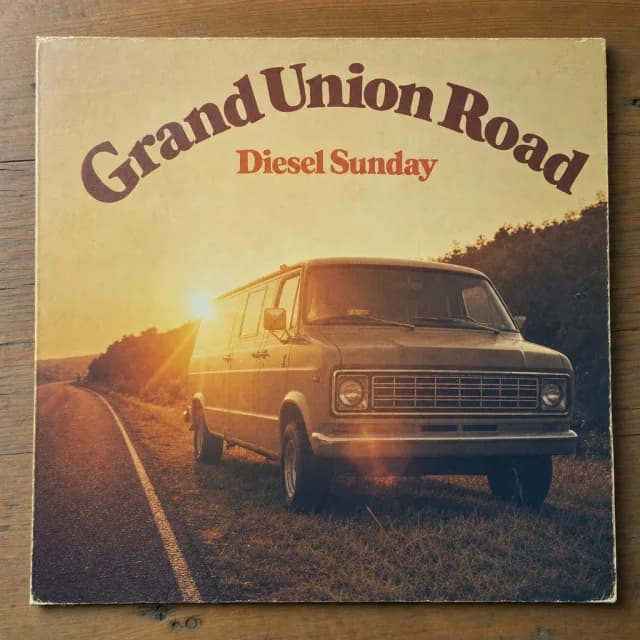
Diesel Sunday
Grand Union Road
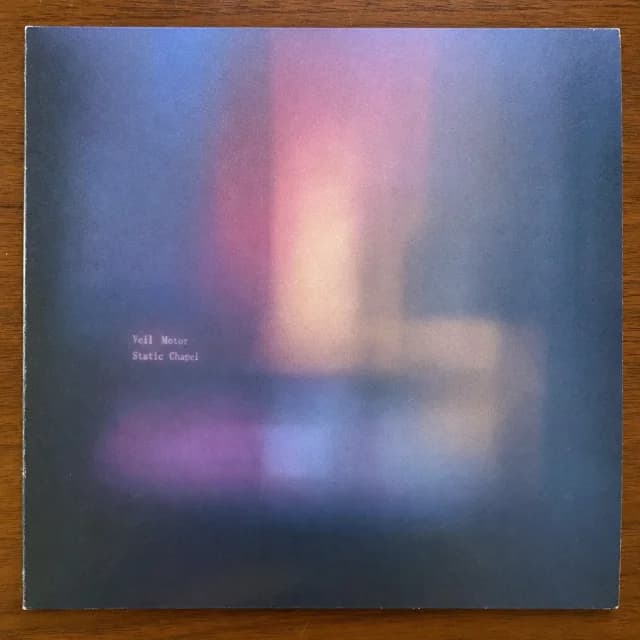
Static Chapel
Veil Motor
Iron Lung Blues
Sawtooth Bell
Rock is searched as a rock music generator, a guitar music maker, an ai band generator and a riff maker. Each wants live-band energy, and each fails the same way: a clean, tight render that sounds polite. Ask for overdriven valve amps, double-tracked rhythm guitars panned wide and drums pushing slightly ahead of the click, and the label you searched under stops mattering.
The performer
Classic rock sits around 110 to 130 BPM, punk 160 to 180, and alternative anywhere between. Feel matters as much as the number — drums pushing ahead of the beat is what gives rock urgency.
Name the guitar tone and the drum feel, not just the genre. 'Overdriven valve amps, drums pushing slightly ahead, no solo' is a complete rock brief.
Usually because it was rendered clean and tight. Ask for a live-in-one-room feel with minimal overdubs — the imperfection is the genre.
Tempo and restraint. Punk runs faster, drops the solo, keeps the bass on the root and pushes the drums ahead of the click. Those four decisions do almost all of it.
Double-tracked rhythm guitars panned hard left and right. One guitar sounds like a demo — that is the single most common reason a rock mix feels small.
Yes, though capping the length keeps the arrangement in the right genre. An eight-bar solo reads as power pop; a two-minute one reads as prog.
Guitars, a real-sounding kit, and performance over precision.