Traditional
Classic country keeps it sparse: acoustic guitar, pedal steel, brushed drums and a lyric that tells one story in order.
Storytelling first, with the arrangement staying out of the way.
In short
Country is the genre where lyrics do the most work. The convention is specificity — a name, a place, an object — rather than abstraction, and a country lyric about "feeling lost" fails where one about a particular road at a particular hour succeeds. That shapes the arrangement: instruments stay out of the vocal range and the production stays relatively dry, because the words have to be intelligible. Pedal steel and fiddle are the identifying colours, and their absence is what makes generated "country" often sound like folk-rock instead. Modern country borrows heavily from pop and rock production, so naming an era matters — traditional country and contemporary country sit far apart in drum sound and vocal treatment despite sharing instrumentation.
Country is lyric-led, so the arrangement stays out of the vocal range and the production stays relatively dry — the words have to be intelligible. Pedal steel and fiddle are the identifying colours, and their absence is why generated “country” often lands as folk-rock. Name the era: traditional and contemporary country sit far apart in drum sound and vocal treatment despite sharing instrumentation.
The specific ways a prompt in this genre produces something generic.
Producing folk-rock
Writing abstract lyrics in a genre built on concrete detail
So production defaults to modern pop-country
Burying the vocal in a genre where the words are the point

Inside the genre
Subgenres are mostly rhythm-section decisions, not eras.
Classic country keeps it sparse: acoustic guitar, pedal steel, brushed drums and a lyric that tells one story in order.

Country pop imports the production and the chorus structure of pop while keeping the instrumentation and the accent.
Americana pulls towards folk — more acoustic texture, less polish, and lyrics that resist the neat resolution country usually provides.
Who uses it
The genre where the lyric carries the song, so a strong narrative draft matters more than production.
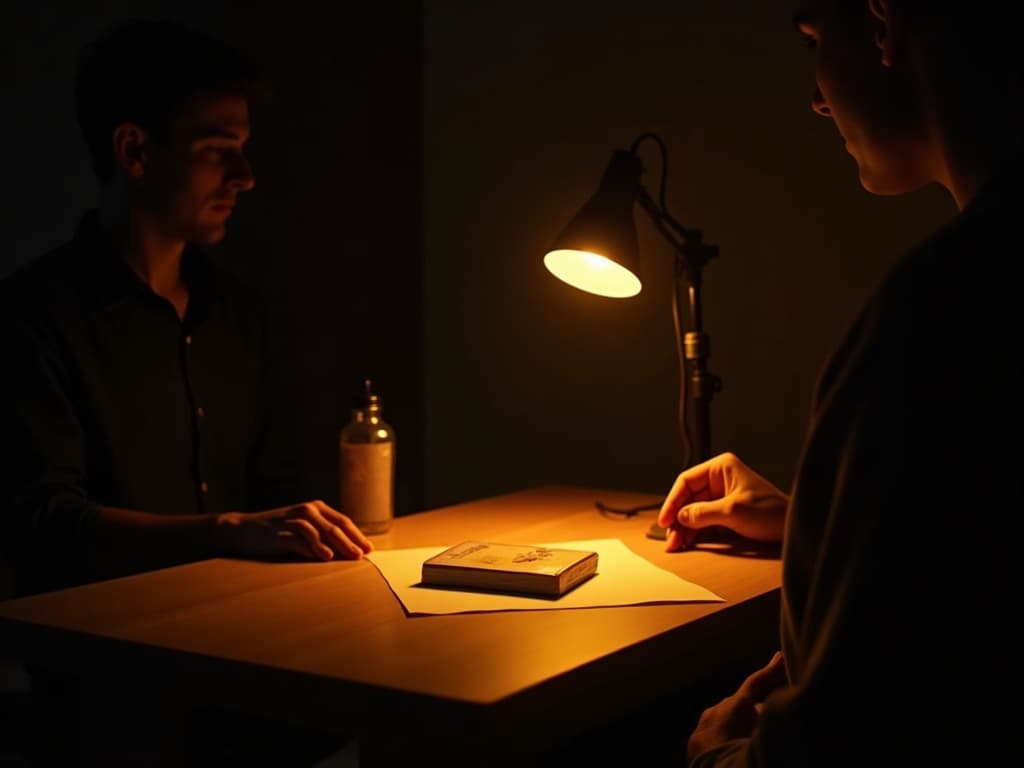
Warm acoustic beds for rural, family and heritage content that a synth track cannot carry.
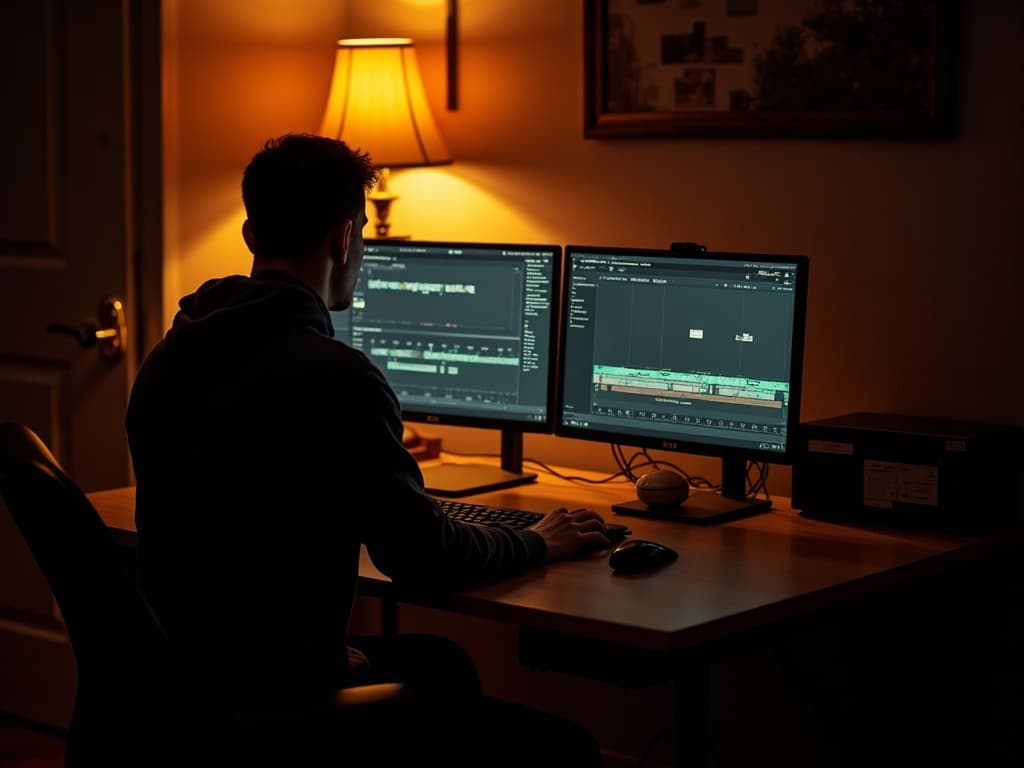
Authenticity signals for brands selling trucks, tools, food and small-town identity.

Backing tracks with pedal steel and acoustic guitar, transposed to your range.
Country story song, 96 BPM, G major. Male vocal with a slight drawl, acoustic guitar, pedal steel, fiddle on the chorus, brushed snare. Narrative lyrics with concrete detail.
Related
More genres
Twelve genres, each with its own tempo map, instrument bench and a prompt that already works.
From the library
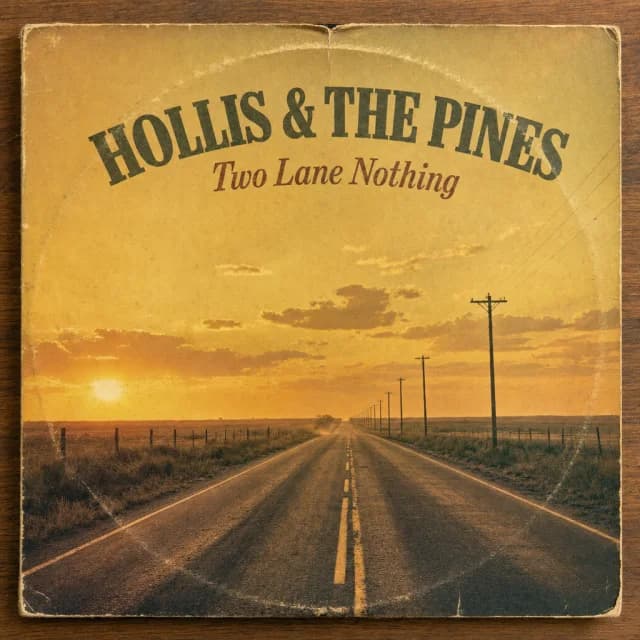
Two Lane Nothing
Hollis & the Pines
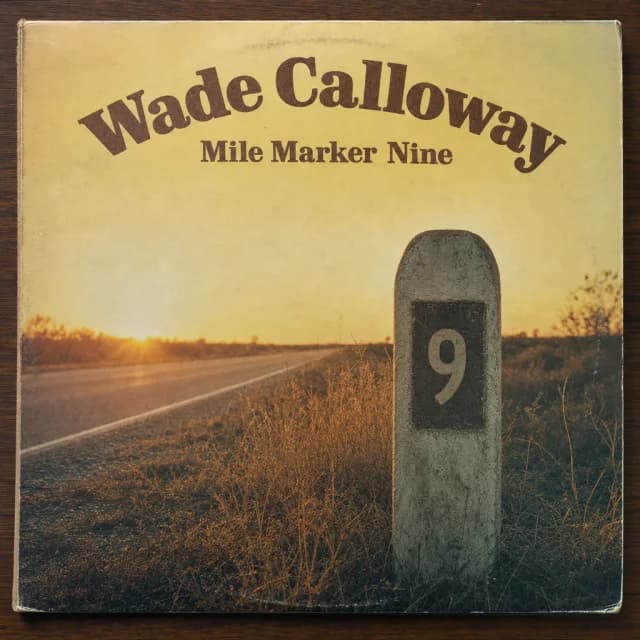
Mile Marker Nine
Wade Calloway
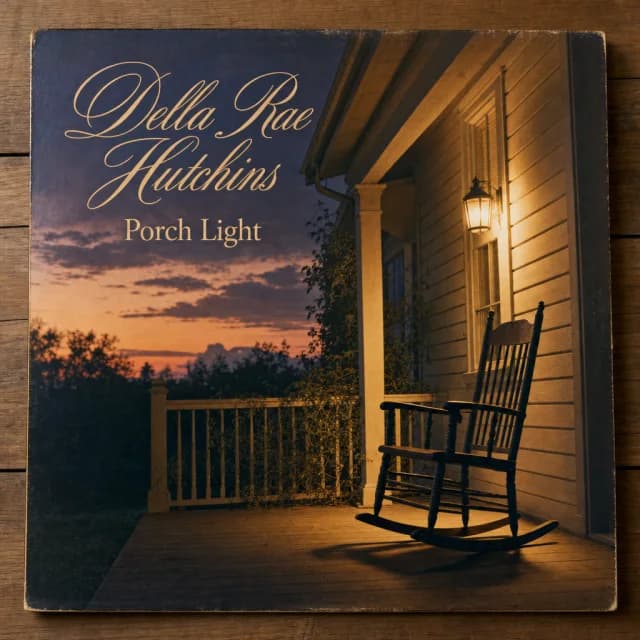
Porch Light
Della Rae Hutchins
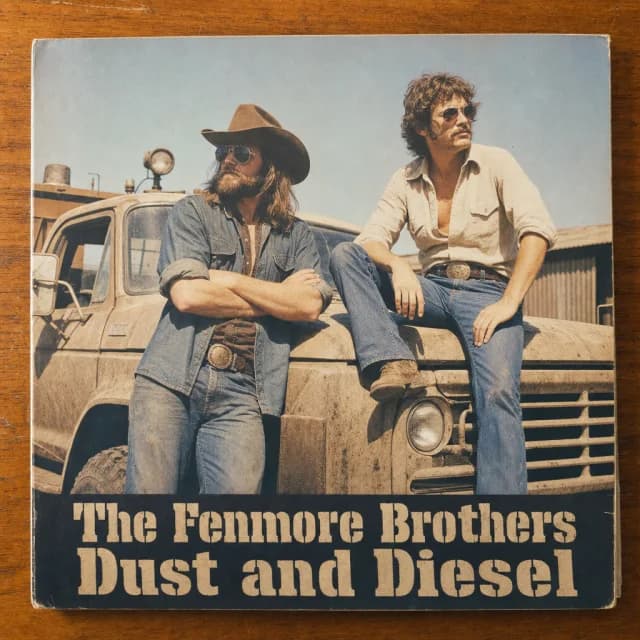
Dust and Diesel
The Fenmore Brothers
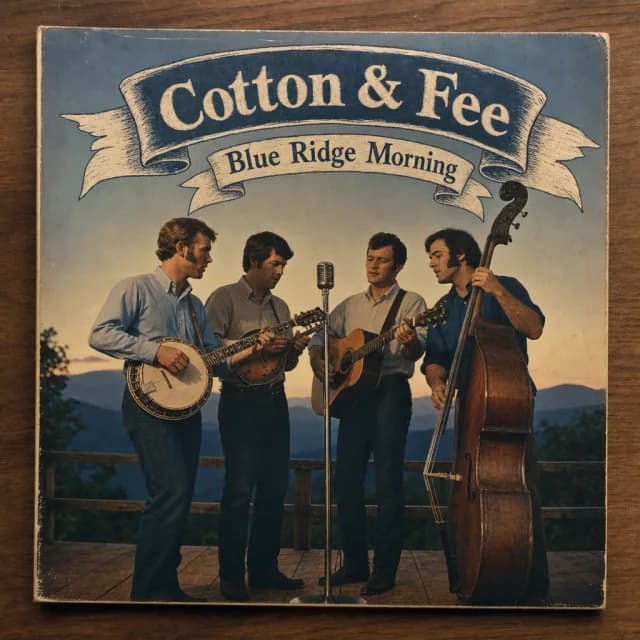
Blue Ridge Morning
Cotton & Fee
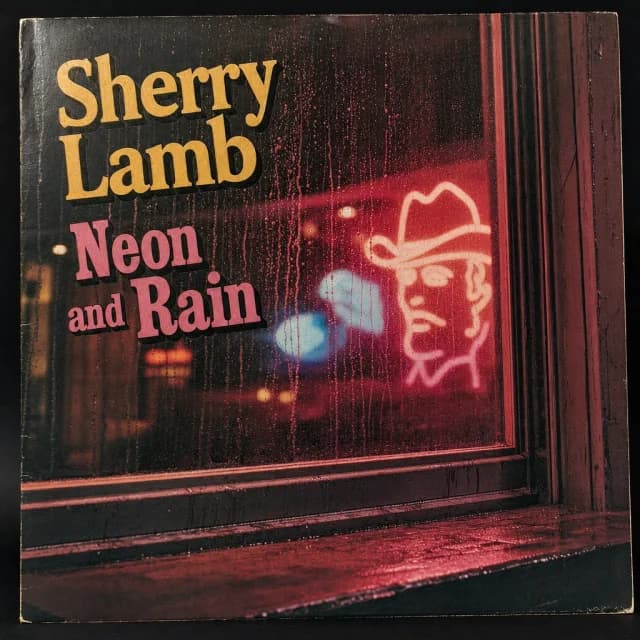
Neon and Rain
Sherry Lamb
Country is searched as a country song generator, a country music maker, an ai bluegrass generator and a honky tonk maker. The instrumentation does the identifying: acoustic guitar, pedal steel answering the vocal, fiddle, brushed drums. Bluegrass drops the drums entirely and adds banjo. Name the instruments and the era, and the phrasing you searched under stops mattering.
Most country sits between 80 and 130 BPM. Ballads drop to 70; honky-tonk shuffles run near 120.
Name the instrument that answers the vocal. Pedal steel answering rather than playing underneath is the single arrangement decision that reads as country.
Acoustic guitar, pedal steel, fiddle, upright or electric bass, and brushed or lightly played drums. Bluegrass drops the drums entirely.
A story told in order, with concrete detail and a title phrase that appears in the chorus. It is the genre where the lyric carries the song more than the production does.
Resolution, mostly. Country usually delivers a tidy ending; americana resists it and keeps the production rougher.
Countrypolitan production — lush strings, a backing vocal choir and smooth engineering. It is the opposite decision from outlaw country, which strips those away.
Storytelling first, with the arrangement staying out of the way.