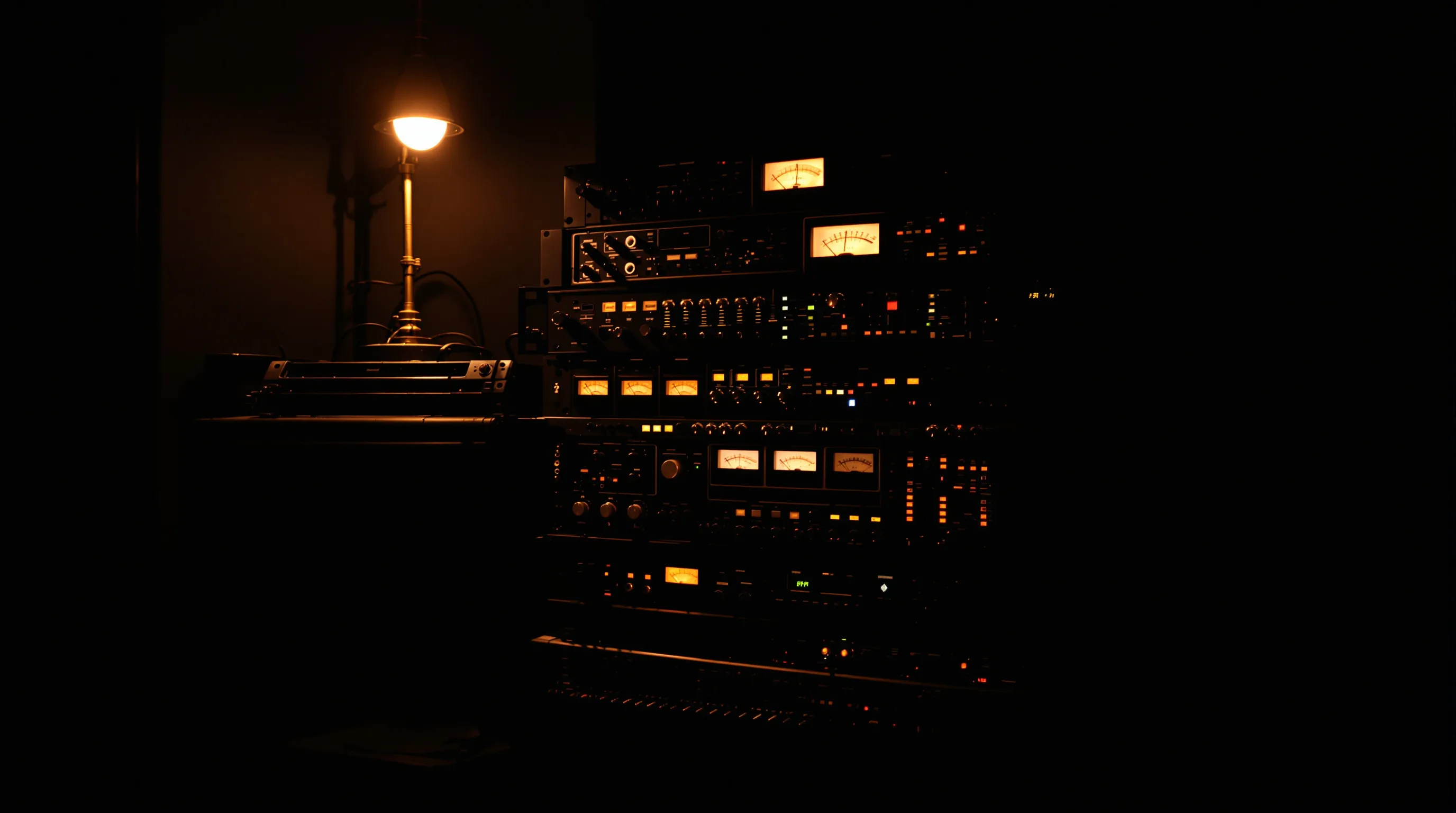

MIDI export you can edit
MIDI means every note is editable, the sample library is replaceable, and the result can be handed to real players — none of which a rendered file allows.
AIVA Technologies
The one that hands you MIDI instead of a finished file.
In short
Figures verified 2026-08-11. This field moves quickly — re-check before relying on them.
MIDI export is the reason a working composer would choose AIVA over a better-sounding audio model, and it is a bigger deal than it sounds. A rendered audio file is finished — you can trim it or process it, but you cannot change the third bar of the string line. MIDI is a score: every note is editable, you can replace the sample library entirely, re-voice the brass, fix a doubling, or hand it to real players. For anyone whose work ends in a DAW rather than in a download, that is a fundamentally different relationship with a generative tool. AIVA's musical strength is cinematic and orchestral writing, which suits the MIDI workflow well because that is where notation-level editing matters most. It is weaker on contemporary popular genres and does not compete with the song models on vocals. Treat it as a composition assistant for scored music, not a song generator.
Strengths
MIDI means every note is editable, the sample library is replaceable, and the result can be handed to real players — none of which a rendered file allows.

Orchestral and cinematic writing is where it is genuinely strong, and it is also where note-level editing matters most.

Years of continuous operation mean the workflow is stable and the export paths into standard DAWs actually work.
How it compares
AIVA composes music with a focus on orchestral and cinematic writing, and exports MIDI you can open and edit in a DAW rather than only a rendered audio file. It has been in the category longer than most.
Compare with MusicGenerate
Searched as aiva, aiva ai, aiva music, aiva midi and ai composer. MIDI export is the reason the composer searches land here rather than on a song generator.
Yes, and it is the main reason to choose it. MIDI is an editable score rather than a finished recording, so you can change any note, swap the sample library, or hand the parts to live musicians.
Ownership has historically differed by subscription tier, and it matters more here than elsewhere because a MIDI composition is the underlying work rather than just a recording. Confirm the terms on your tier before commercial use.
No. It focuses on instrumental and orchestral composition, so any song needing a sung vocal is outside what it does.
It is one of the better choices if you work in a DAW and want to revise the writing itself. Its cinematic and orchestral output is where note-level editing pays off most.
There is a free tier with limits and, importantly, different ownership terms by tier. That matters more here than elsewhere because the output is a composition rather than only a recording.
Audio plus MIDI, and the MIDI is the reason to use it — an editable score you can revoice, re-orchestrate or hand to live players.
Keep exploring
More models
Models and platforms we track, compared on capability and licence.